Normal Sinus Rhythm: Understanding the Baseline
Definition
Advertisement
Normal sinus rhythm (NSR) represents the heart's normal electrical conduction pattern, originating from the sinoatrial (SA) node located in the right atrium.
ECG Criteria for NSR
Advertisement
Essential Components:
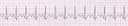
- Regular Rhythm: Consistent R-R intervals (variation <10%)
- Heart Rate: 60-100 beats per minute
- P Wave Morphology:
- Upright in leads I, II, aVF
- Inverted in aVR
- Consistent shape and size
- PR Interval: 0.12-0.20 seconds (3-5 small squares)
- P:QRS Ratio: 1:1 (one P wave before each QRS)
- QRS Duration: <0.12 seconds (narrow complex)
Physiological Variations
Sinus Arrhythmia:
- Normal variation with breathing
- Rate increases with inspiration, decreases with expiration
- Common in young, healthy individuals
- P wave morphology stays consistent
Age-Related Normal Rates:
- Newborns: 120-160 bpm
- Infants: 100-150 bpm
- Children: 70-120 bpm
- Adults: 60-100 bpm
- Athletes: 40-60 bpm (sinus bradycardia)
Clinical Significance
NSR indicates:
- Normal SA node function
- Intact AV conduction
- No significant electrolyte imbalances
- No acute ischemia (if ST segments normal)
What NSR Doesn't Rule Out
Important: NSR does NOT exclude:
- Valvular heart disease
- Cardiomyopathy
- Coronary artery disease (between episodes)
- Heart failure
- Pericardial disease
Key Teaching Points
- NSR requires ALL criteria - one abnormality changes diagnosis
- Rate alone doesn't define rhythm
- Sinus arrhythmia is normal, not pathological
- Always correlate ECG with clinical presentation
- NSR with ST changes may indicate ischemia
Practice Tips
- Start by identifying P waves
- Measure rate (300/large boxes method)
- Check regularity with calipers
- Verify P:QRS relationship
- Assess all intervals (PR, QRS, QT)