What is Normal Sinus Rhythm?
Advertisement
Normal Sinus Rhythm (NSR) is the normal heart rhythm originating from the sinoatrial (SA) node. Understanding NSR is fundamental to ECG interpretation, as it serves as the baseline for identifying abnormalities.
Key Characteristics
Advertisement
1. Rate
- 60-100 beats per minute (bpm) at rest
- Calculated from RR intervals
2. Rhythm
- Regular - equal spacing between beats
- Slight variation with respiration is normal
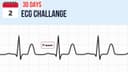
3. P Waves
- Present before each QRS
- Upright in leads I, II, aVL, aVF, V4-V6
- Inverted in aVR
- Same morphology throughout
4. PR Interval
- 0.12-0.20 seconds (3-5 small boxes)
- Constant across all beats
5. QRS Complex
- Narrow - <0.12 seconds (3 small boxes)
- Follows each P wave
Clinical Significance
Normal sinus rhythm indicates:
- Proper SA node function
- Normal cardiac conduction
- Hemodynamically stable rhythm
- No immediate intervention needed
Common Variations
Sinus Arrhythmia
- Rhythm varies with respiration
- Rate increases with inspiration
- Normal in young, healthy individuals
Sinus Bradycardia
- NSR but rate <60 bpm
- Common in athletes
- May be medication-related
Sinus Tachycardia
- NSR but rate >100 bpm
- Appropriate response to:
- Exercise
- Fever
- Anxiety
- Hypovolemia
Practice Tips
- Always verify all five characteristics
- Check for regular P waves
- Measure PR interval consistency
- Confirm normal QRS duration
- Calculate rate accurately
Written by Dr. Raj K Reddy, Board-Certified Emergency Medicine Physician