Introduction to STEMI
Advertisement
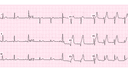
ST-Elevation Myocardial Infarction (STEMI) represents a critical cardiac emergency requiring immediate recognition and treatment. This comprehensive guide will help you master STEMI identification on ECG.
Key Diagnostic Criteria
Advertisement
ST Segment Elevation Measurements
- Men under 40: ≥2.5 mm in leads V2-V3
- Men over 40: ≥2 mm in leads V2-V3
- Women: ≥1.5 mm in leads V2-V3
- Other leads: ≥1 mm in two contiguous leads
Lead Patterns and Coronary Territories
Anterior STEMI (LAD Occlusion)
- Leads: V1-V4
- Associated: Reciprocal changes in inferior leads
Inferior STEMI (RCA or LCx)
- Leads: II, III, aVF
- Check: Right ventricular involvement (V4R)
Lateral STEMI (LCx)
- Leads: I, aVL, V5-V6
Clinical Pearls
- Always check for reciprocal changes - Increases specificity
- Wellens syndrome - Warning sign of critical LAD stenosis
- STEMI mimics - Pericarditis, early repolarization, LVH
Management Priorities
- Time is muscle - Door-to-balloon < 90 minutes
- Reperfusion therapy - PCI vs thrombolysis
- Antiplatelet therapy - Aspirin + P2Y12 inhibitor
Conclusion
Rapid STEMI recognition on ECG is a life-saving skill. Practice these patterns regularly and always correlate with clinical presentation.