ECG Educational Videos
Master ECG interpretation through our comprehensive video library. Watch expert-guided lessons on cardiac rhythms, arrhythmias, and advanced interpretation techniques.
All Videos
Showing 397-404 of 404 videos
Invention of artificial cardiac pacemaker
Learn More: https://ecgkid.com Take a Course now https://kite.ecgkid.com Do you know that if our heart isn't beating regularly or has suddenly stopped, it can be restored by forcing it to beat again? Artificial cardiac pacemakers, or ACPs, are devices implanted in the heart to avoid irregular beats and, in certain cases, defibrillation. John Hopps, a Canadian electrical engineer who was studying the effects of radiofrequency, produced the first cardiac pacemaker. He discovered that if the hear...
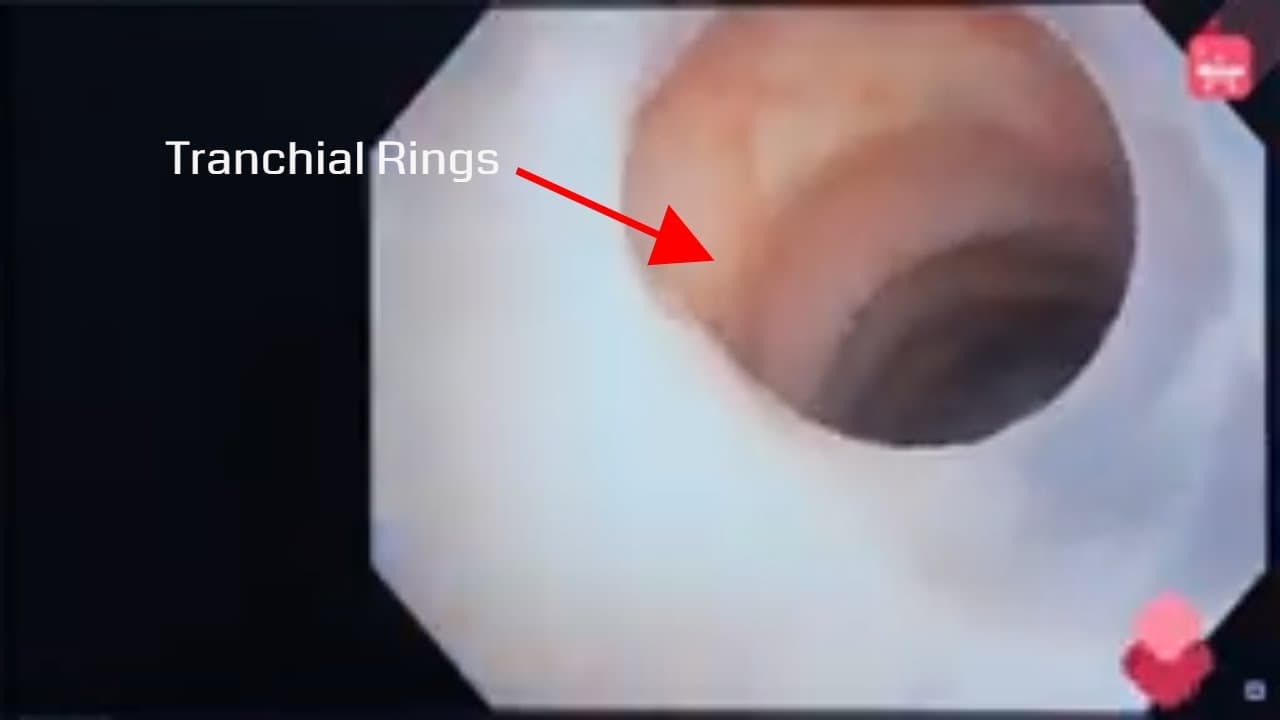
Real #Brochoscopy procedure : How its done?
Before the bronchoscopy procedure, equipment such as lignocaine jelly and mucus extractor should be ready. Always maintain the fraction of inspired oxygen at 100% throughout the procedure. Insert the bronchoscope into the tracheostomy tube through the catheter and mount slowly into the trach. Once the carina is seen, look for two visible openings, which are the right bronchu and the left bronchus. The bronchoscopy procedure involves inserting the bronchoscope into the left upper lobe of the left...
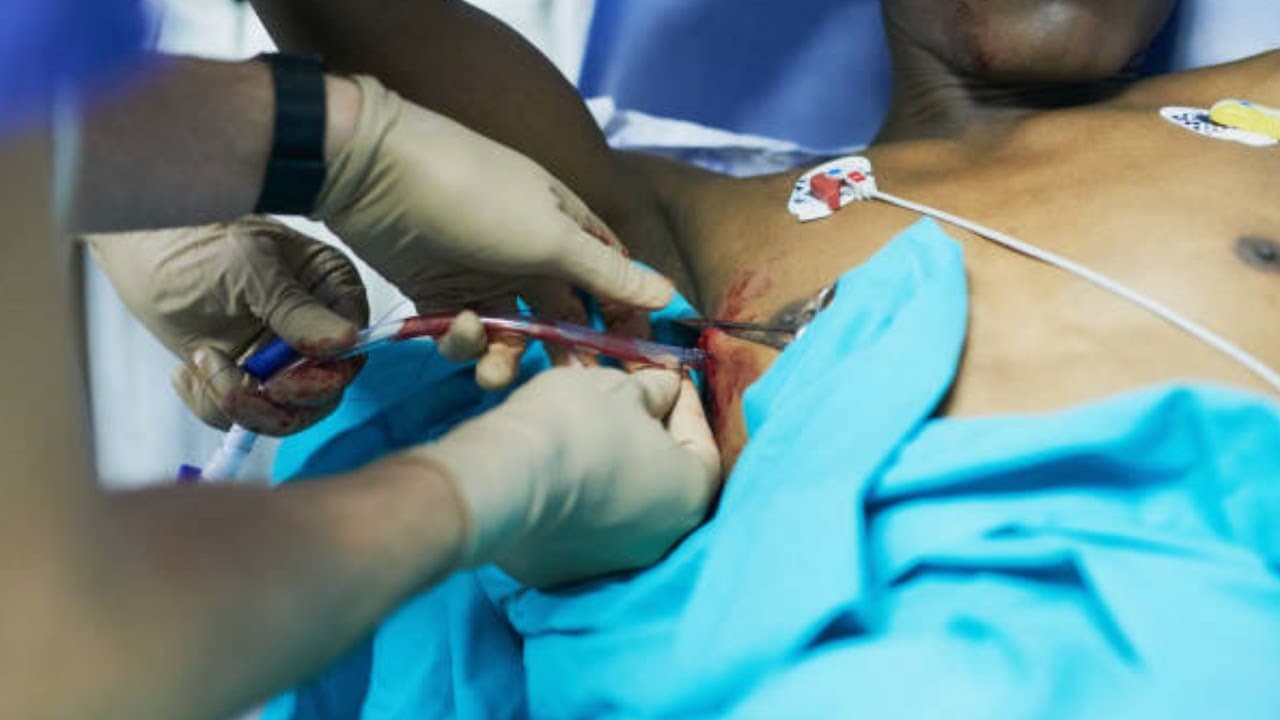
#Chest #tube insertion procedure for #Pneumothorax : Step by step
Learn more at https://ecgkid.com or Take a course now at https://kite.ecgkid.com To learn More ICU procedures : https://youtube.com/playlist?list=PL9iEWEZTDYHIFonHYJmv5TniIhxdXt37F A doctor may insert a chest tube to treat a variety of conditions. A pleural effusion is a buildup of fluid in the pleural space of the lung. Hemothorax occurs when excess blood builds up in the chest cavity due to an injury, tumor or bleeding disorder. A doctor may put a person under general anesthesia for a chest tu...
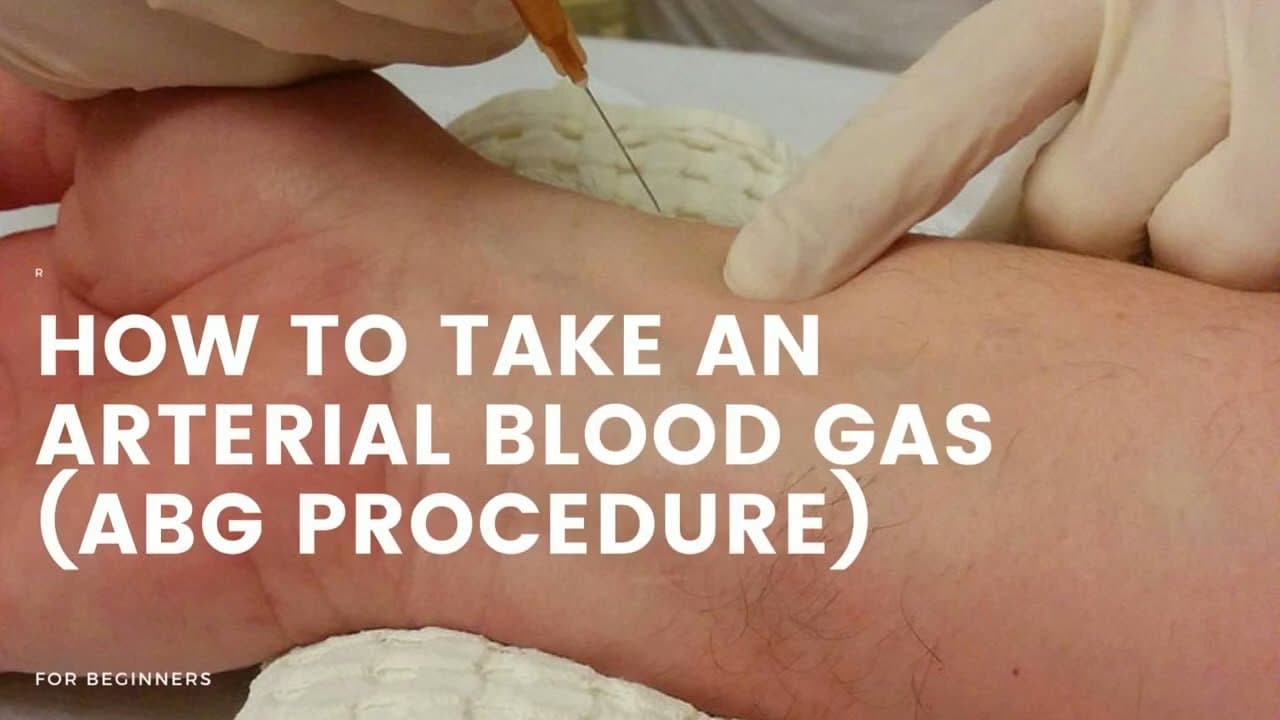
How to take blood for ABG | Radial Artery
The preferred site is easily accessible, superficial, and collateral circulation. Inject a sufficient amount (around 0.5ml) of 1% lidocaine with a 25 gauge needle intradermally to raise a small wheal at the area where the skin puncture is to be made. Wet the syringe and needle with a sodium heparin solution of 1,000 units/mL BLOOD SAMPLING Radial artery Femoral artery Brachial artery This can minimize the pain associated with an unintentional contact below the artery. If the blood sample was o...
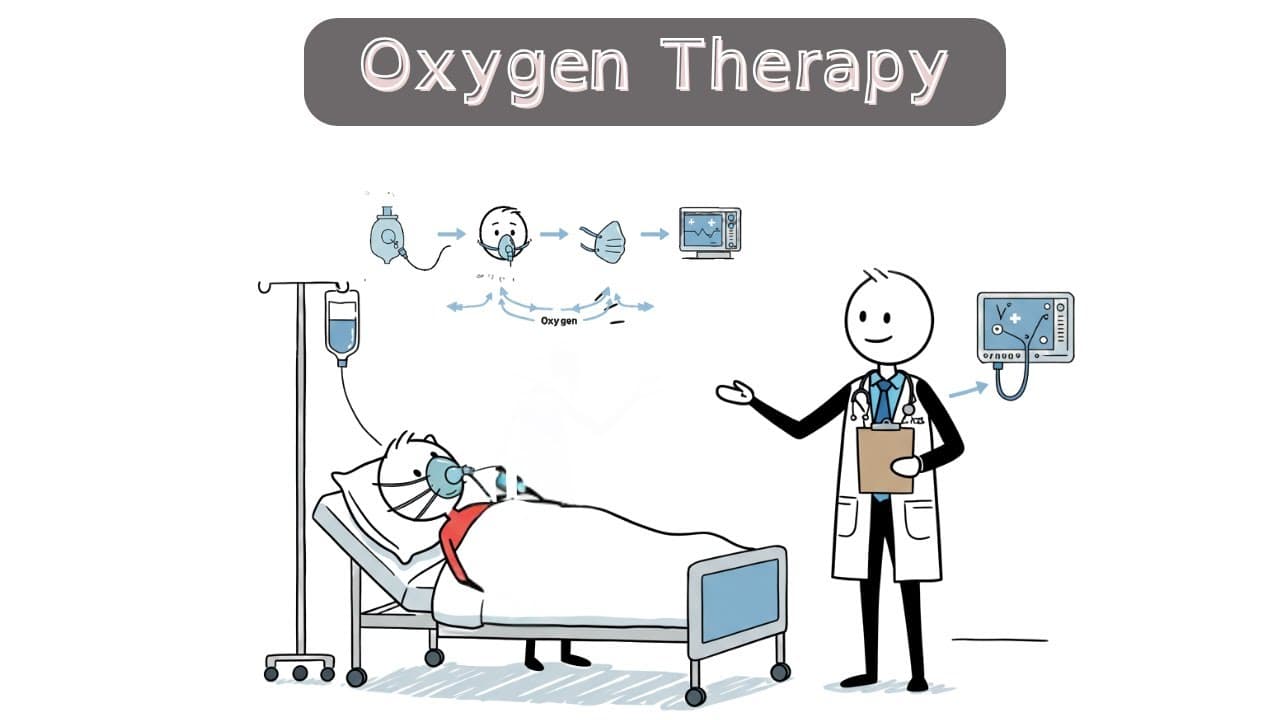
Oxygen Therapy: Delivery Systems & Critical Care Explained
Dive into the essential world of oxygen therapy! 🌬️ This video explores the various methods of delivering supplemental oxygen, crucial for managing critically ill patients. We'll cover how oxygen delivery is tailored to meet individual saturation rates, ensuring effective treatment while minimizing risks. Learn about the critical balance between providing necessary oxygen and preventing hyper-oxygenation complications. We discuss the key factors influencing the selection of appropriate oxygen ...
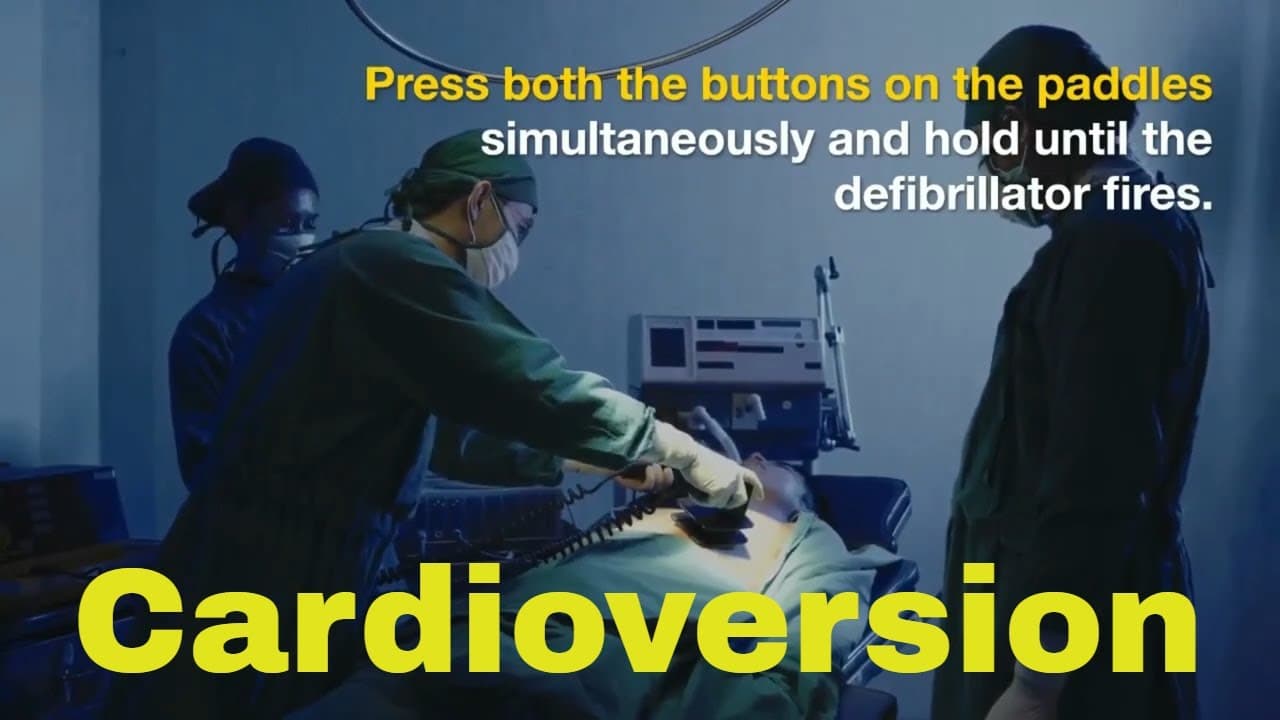
#cardioversion: How to give #Shock with #defibrillator and why?
In this video, we provide a comprehensive guide to Cardioversion — an essential procedure used to restore normal heart rhythm in patients with arrhythmias. Whether you're a medical student, healthcare professional, or just curious, this step-by-step walkthrough covers everything you need to know about cardioversion and defibrillator use. 👉 Learn more and deepen your ECG knowledge at: https://kite.ecgkid.com or https://ecgkid.com Timestamps / Chapters: 0:00 | Cardioversion - Introduction 1:40 ...
SARS-CoV 2: Do we really need self isolation now?
Omicron infections in South Africa peaked about a month after the wave began. Data from South Africa and elsewhere confirm early indications that the latest variant is causing less severe disease. Vaccines (and especially booster shots) have led to dramatically lower levels of hospitalization and death. On Monday, Spanish PM Pedro Sanchez called for a Europe-wide discussion about developing the kind of response that exists for, say, the flu. That means it's time for our Covid response to change....
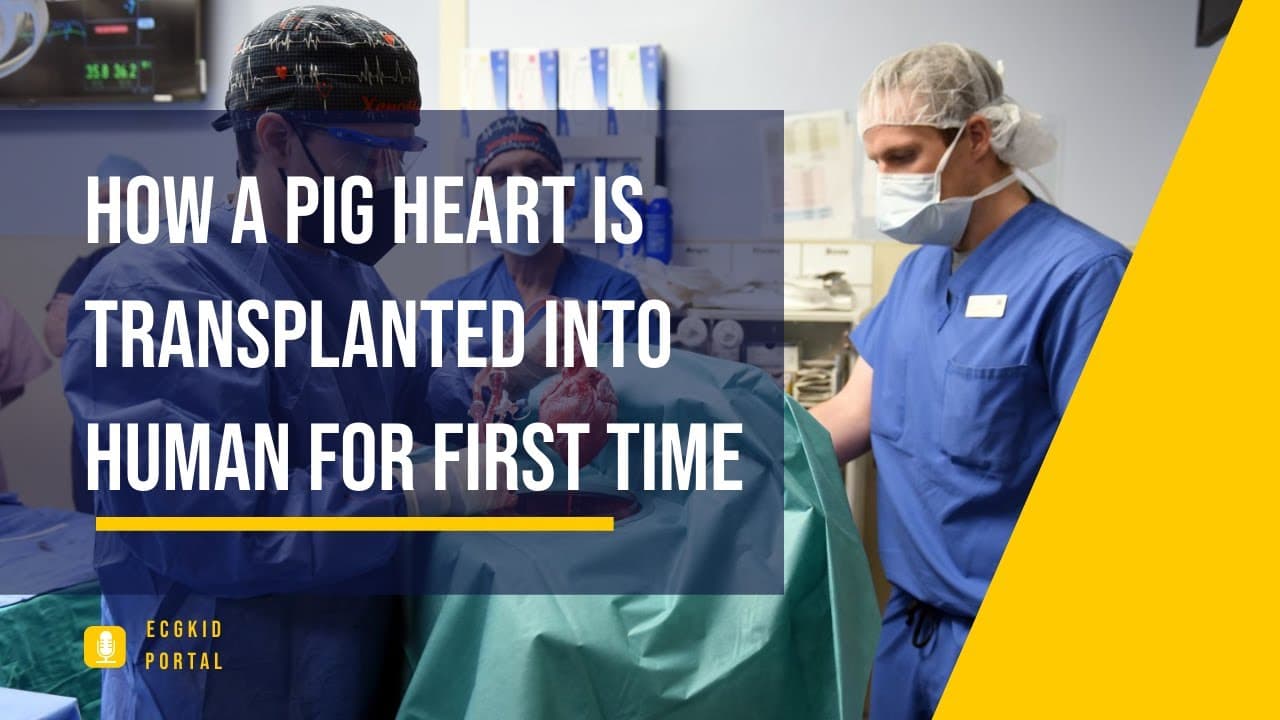
Heart Transplant: A Pig's Heart Gives Life to Man
For the first time, a human has been given a transplant of a pig's heart. One of the earliest subjects, known as Baby Fae, survived 21 days with a baboon's heart in 1984. Such transplants have fallen into disuse because the animal organs are usually rejected by their human host. The NHS says there is 'still some way to go before transplants of this kind become an everyday reality'. 'If it works, it could be a small number of years away.'