ECG Educational Videos
Master ECG interpretation through our comprehensive video library. Watch expert-guided lessons on cardiac rhythms, arrhythmias, and advanced interpretation techniques.
All Videos
Showing 361-372 of 404 videos
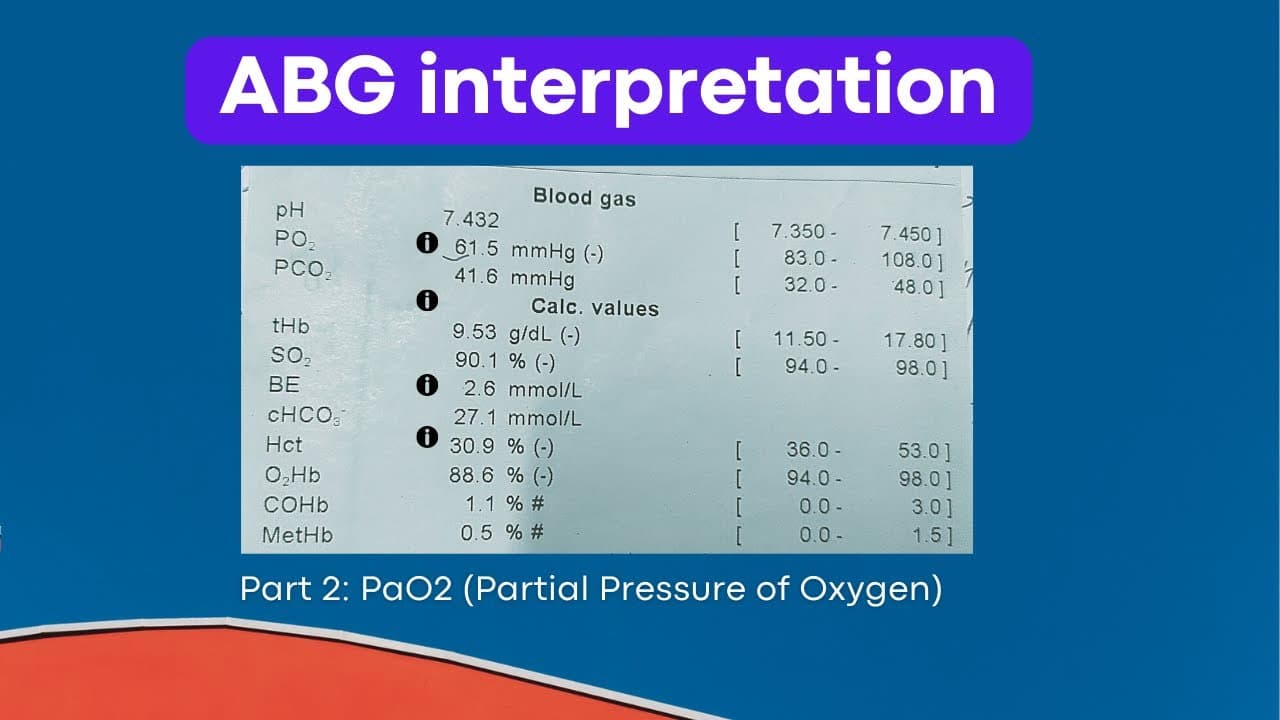
ABG Interpretation: PaO2 (Partial pressure of Oxygen)
This is a ABG interpretation series, we have discussed the PaO2 significance in this chapter. Learn More at https://ecgkid.com ______________________________________________________________________ Arterial Blood gases or ABG is a standard measure of metabolic and respiratory functions in our body, as it gives clues about the gases in the blood such as carbon dioxide and Oxygen. We have learned different components of ABG in the previous chapter, now we will see the significance of PaO2 in our b...
Diagnosis and Management of Fever in ICU
Fever should induce significant diagnostic and therapeutic decisions in the intensive care unit. Fever in the ICU is defined, epidemiology, etiologies, diagnostic evaluation, and therapy are discussed. The pathophysiology of fever is discussed individually, as is the approach to fevers of unclear cause, neutropenic fever, and fever in immunocompromised hosts. (See 'Pathophysiology and treatment of fever in adults' and 'Approach to the adult with fever of unknown origin' and 'Etiologies of f...
Pathophysiology and Physical Examination in Fever
In this video we will talk about the pathophysiology and physical examination in fever. Learn More at https://ecgkid.com ___________________________________________________________________________ The following steps are involved in the production of fever: Exogenous pyrogens, or chemicals from outside the body, start the fever cycle. The most potent exogenous pyrogen is Gram-negative bacteria's endotoxin, which contains the pyrogenic component lipopolysaccaride. Fever is also prevalent in chil...
How to Approach fever in ICU
The incidence of fever is common amongst ICU patients. ● Fever is the body’s host defense mechanism. Although it is commonly associated with infections, the relationship between infection and elevation of body’s temperature is poorly understood. The main dilemma in this situation is to exclude non-infectious causes of fever and then, to determine the site and likely pathogens of the identified infections. ● ICU patients frequently have multiple etiologic factors that cause fever, necessitating a...
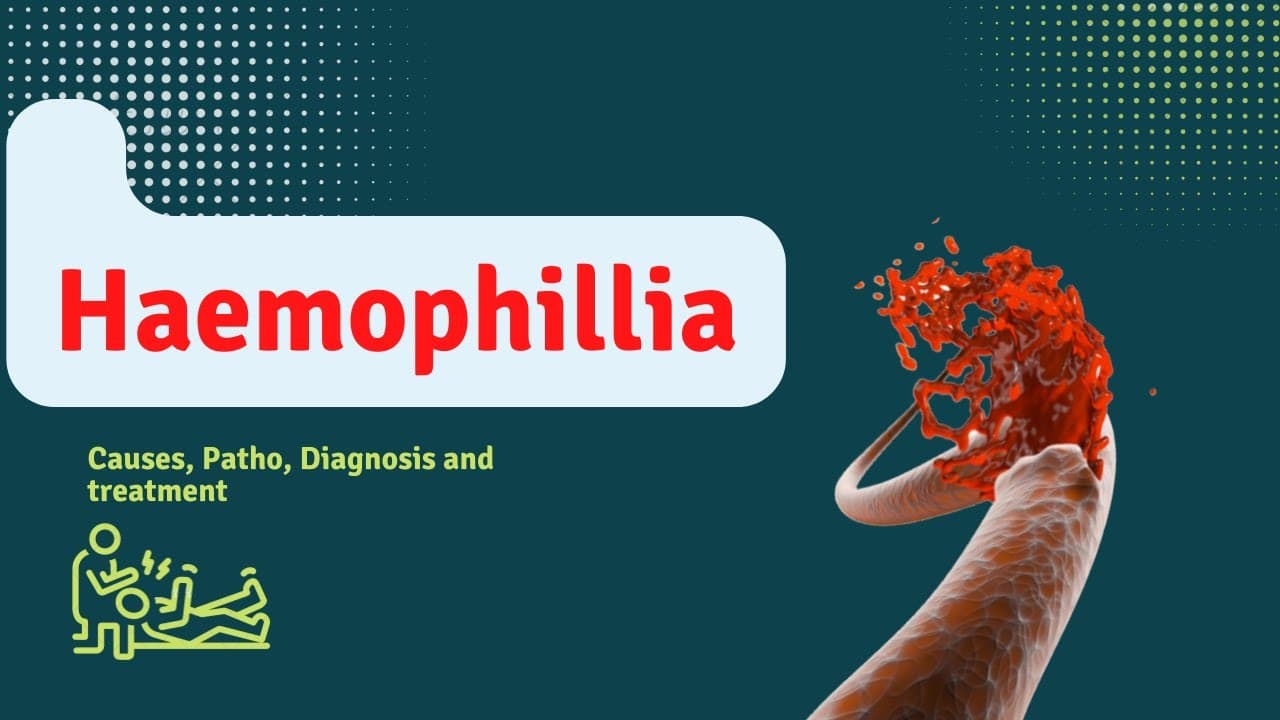
Hemophilia: Causes, Diagnosis and Treatment
Hemophilia is also called as classic hemophilia or hemophilia A. This is the second most common hereditary disorder next to Von Willebrand’s disease, occurring due to deficiency of factor VIII. ● The mode of inheritance is mainly as an X-linked recessive trait and therefore manifests in males while females are the carriers. ● The levels of factor VIII are less among the women carriers. True female hemophiliacs are seen in consanguinity within the family. ● Hemophilia is classified based on the s...
Status Epilepticus: Causes and pathophysiology and Management
Learn More about it at https://ecgkid.com This video is about causes, patho mechanism and #treatment of status epilepticus. The #pathophysiology of #SE is poorly understood. A person having repeated seizures for 30 minutes or longer. Stage-4: Days to weeks: The following flowchart describes the management of SE in different stages. Systemic Complications of SE involves multiple systems. The potential routes of administration for antiepileptic drugs and their delivery mechanisms are:.Oral – Swa...
Status Epilepticus: what is it?
A single seizure lasting more than 5 minutes or two or more seizures in a 5-minute period without the person returning to normal between them is classified as status epilepticus (SE). A 30-minute time limit was applied in previous definitions. The seizures can be tonic–clonic, with a regular pattern of contraction and extension of the arms and legs, or absence seizures or complex partial seizures, which do not involve contractions. Status epilepticus is a medical emergency that can be fatal if...
Epilepsy: Diagnosis and Treatment
This Video is Last part of course on epilepsy. To learn more: https://ecgkid.com or Take a course on https://kite.ecgkid.com __________________________________________________________ The history and physical examination are used to diagnose epilepsy. A detailed history is taken from the patient about seizure frequency, duration, precipitating factors, presence of aura, and presence of postictal state. A history is also taken about pregnancy events and childbirth, such as difficult labor, trauma...

Epilepsy: Causes and Pathophysiology
Most of the time, it's unclear why this occurs. Because one in every three persons with epilepsy has a family member who suffers from the condition, it's probable that your genes play a role in how your brain functions. Epilepsy is sometimes caused by brain damage, such as damage caused by: a stroke A brain tumour, a serious head injury, drug or alcohol abuse, or a brain infection are all possible causes of death. a shortage of oxygen during labour and delivery Everyone has a chance of having ...
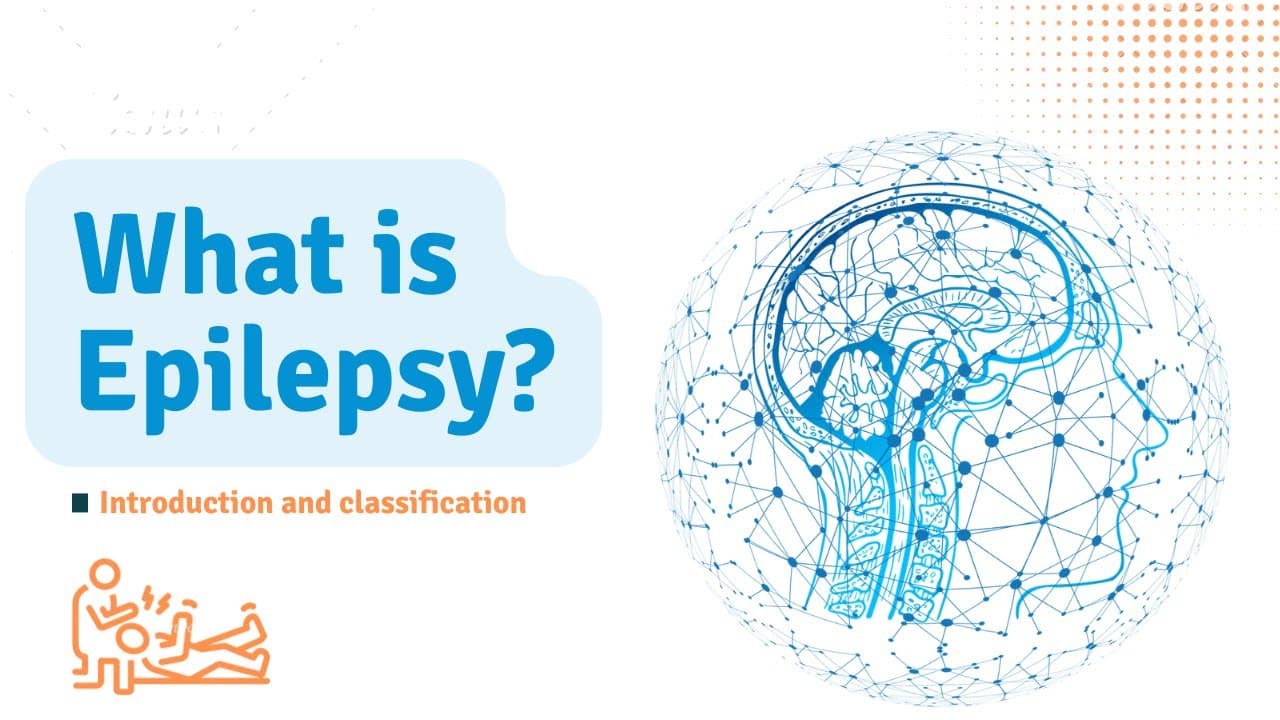
Epilepsy: Introduction and Types
This is course on Epilepsy: causes, diagnosis and management in clinical practice. To learn more about it visit https://ecgkid.com or Take a Course Now at https://kite.ecgkid.com #epilepsy #types #neuro ______________________________________________________________ Recurrent epileptic seizures characterise epilepsy, which is a category of non-communicable neurological illnesses. Due to aberrant electrical activity in the brain, epileptic seizures can range from brief and practically unnoticeab...
Acute kidney Injury (AKI): Management and treatment options
Learn More at https://Ecgkid.com or Take a course now at https://kite.ecgkid.com ___________________________________________________________ The treatment for AKI is determined by the cause of the condition. During treatment and until their kidneys heal, the majority of people must stay in the hospital. While you're getting treatment for the problem that caused your AKI, you might also get treatments to prevent complications that make your kidneys heal more slowly. The following are some thera...
Acute Kidney Injury (AKI): Diagnostic approach
A spike in serum creatinine and/or a decrease in urine output have typically been used to diagnose AKI. From the Risk, Injury, Failure, Loss, End-stage (RIFLE) criteria in 2004 to the AKI Network (AKIN) categorization in 2007 [4, 5], the definition has developed. Both were integrated in 2012, resulting in the KDIGO (Kidney Disease Improving Global Outcomes) classification. AKI is defined as a spike in serum creatinine of 0.3 mg/dl (26.5 mol/l) or more in 48 hours or a rise of at least 1.5-fold f...